


-
 Installation
-
 0 Comments
Understanding Flat Roof Installation
Flat roof installations are common, but the right partner for the project is still important. If you’re a business owner looking to install a new roof, we’ve got you covered.
An Overview of Flat Roof Installation
Flat roof installation is critical for commercial buildings, demanding precision and expertise. Flat roofs present unique challenges and opportunities in design and functionality. This comprehensive guide explores the process of installing a flat roof for a commercial building.
Definition of a Flat Roof
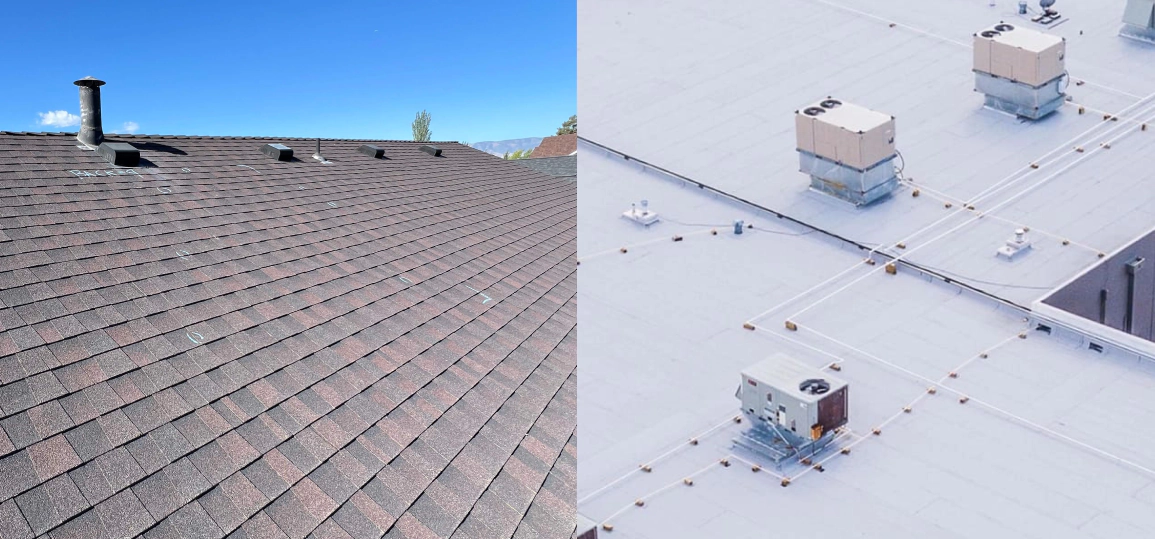
A flat roof, contrary to its name, is not perfectly flat. It has a slight slope that usually isn’t visible to allow water drainage. Predominantly found on commercial buildings, flat roofs maximize usable space above and below, accommodating HVAC systems on the roof and providing more indoor space. This roofing type’s design emphasizes efficiency and practicality, making it a popular business choice.
Benefits & Drawbacks of Flat Roofs
Flat roofs offer numerous advantages, including increased space, affordability, and accessibility. They facilitate the maintenance and placement of commercial equipment and can even support green roofing initiatives. However, flat roofs are prone to water pooling and require diligent maintenance to prevent leaks. The choice of materials can also impact their longevity and performance under environmental stressors like UV rays.
Different Types of Flat Roofs
- Rubber roofs (EPDM) are known for their durability and UV light resistance.
- Modified bitumen roofs are a versatile option that blends traditional and modern roofing technologies.
- Built-up roofs (BUR) include multiple layers for robust protection.
Each type of flat roof material offers unique benefits and considerations, influencing your choice based on the specific needs of your project.
Critical Steps in Flat Roof Installation
The flat roof installation process requires meticulous attention at every step to ensure optimal performance and longevity of the roofing system.
Designing & Planning
Design and planning are the initial steps where the vision takes shape. Considerations include roof usage, expected foot traffic, and integration of systems like HVAC. Detailed plans help prevent future issues, making this step pivotal for the project’s success.
Preparing the Roof Deck
Preparing the roof deck makes sure it can support the new roof material. This involves cleaning, making necessary repairs, and ensuring that it’s level. A well-prepared deck is crucial for a successful flat roof installation.
Installing Insulation
Insulation is vital for energy efficiency, often using materials like ISO boards to minimize heat transfer. Proper insulation contributes to indoor comfort and reduces energy costs, making it an essential step in the installation process.
Applying the Roofing Membrane
The roofing membrane acts as the primary waterproofing layer. Choices include EPDM, modified bitumen, and others, each requiring specific techniques for installation. The correct application of this layer is critical to shield the building from water damage and other environmental factors.
Adding Finishing Details
Finishing details include installing edge metal and flashing and ensuring proper drainage. These elements protect the roof from water ingress and complete its functionality. Attention to these details ensures the roof’s effectiveness and longevity.
Common Materials Used in Flat Roof Installations
Choosing suitable flat roofing materials is paramount in achieving a durable, long-lasting commercial roof. Here’s a look at some standard options:
Rubber Roofs (EPDM)
EPDM is a synthetic rubber material renowned for its resistance to UV rays, temperature variations, and minor impacts. Its installation involves adhering or mechanically fastening large sheets of EPDM membrane to the roof deck. This option is praised for its longevity and ease of repair.
Modified Bitumen Roofs
Modified bitumen merges traditional and modern technologies, creating a versatile roofing solution. It’s applied in layers, with the bitumen modified by polymers to improve elasticity and durability against foot traffic and temperature fluctuations. This system suits buildings that need robust yet flexible roofing solutions.
Built-Up Roofs (BUR)
Built-up roofing involves applying multiple layers of tar and gravel to create a thick, durable barrier. This traditional method offers excellent waterproofing and longevity, though it requires significant maintenance. BUR is a cost-effective choice for buildings with heavy roof equipment.
Effective flat roof installation relies on careful planning, quality materials, and precise execution. The durability and performance of a commercial flat roof heavily depend on the initial steps taken, materials chosen, and attention to detail during the installation process. With diverse materials like EPDM, modified bitumen, and built-up roofs available, selecting the ideal flat roofing solution requires consideration of the unique needs and challenges of your commercial building project.
Need commercial roofing solutions for your business? Red Peaks Roofing has an array of services for a smooth roof installation.
Regular Maintenance of Flat Roofs
Maintaining a flat roof is crucial for prolonging its lifespan and protecting a commercial building. Regular maintenance involves inspecting the roof surface for signs of wear, pooling water, and debris that can accumulate and cause damage over time.
Another critical aspect of flat roof maintenance is checking for and repairing cracks or blisters in the roofing material. These are caused by exposure to UV rays and daily weather changes with flat roof materials like EPDM and modified bitumen. Prompt repairs are necessary to prevent minor issues from becoming major problems.
Lastly, make sure the roof’s drainage system is functioning correctly. Blockages in the drains can cause water to pool, adding unnecessary weight and potentially leading to leaks inside the building. Regular gutter cleaning is essential for the overall performance of a flat roof.
Hiring Professional Flat Roof Installers
While DIY projects can be tempting, installing and maintaining flat roofs require a professional touch. Roofing contractors possess the knowledge, experience, and tools to make sure a flat roof is installed and maintained properly. They can identify issues quickly and provide solutions that may only be obvious to someone with expertise.
Professional installers are also up to date on the latest flat roofing materials and techniques. They can advise on the best flat roof material for a commercial building based on factors like climate, building design, and budget. This specialized knowledge ensures your commercial flat roof is installed correctly and optimized for longevity.
Why Hire a Professional?
Hiring a professional for flat roof installation and maintenance comes with several advantages. Their expertise means the job is done right the first time, reducing the likelihood of future problems and additional expenses. They also have access to high-quality flat roofing materials at wholesale prices, which can save money in the long run.
Safety is another critical reason to hire a professional. Working on roofs is dangerous, and professionals are trained to navigate risks effectively. They possess the right safety equipment and insurance to protect commercial building owners.
Furthermore, professional roofing contractors often provide warranties. This gives building owners peace of mind knowing that any issues related to the installation or maintenance are addressed promptly and without additional costs.
Factors to Consider When Hiring a Pro
When choosing a professional for your flat roof installation or maintenance, there are several factors to consider:
- Experience: Look for a roofing contractor with a lot of flat roof experience. They should have a portfolio of successful projects demonstrating their expertise.
- Reputation: Check reviews and ask for references. A reputable contractor has positive feedback from previous clients and is willing to provide references upon request.
- Licensing and Insurance: Make sure the contractor has the appropriate licenses to operate in your area and carries insurance for their workers. This protects you from liability in case of accidents.
- Warranty: Ask about the warranty offered on both materials and workmanship. A good warranty provides significant peace of mind.
- Quote: Get detailed quotes from several contractors to compare prices, but remember that the cheapest option is not always the best. Consider the value offered by each contractor’s proposal.
Choosing the right professional for your project is critical. With the right team, you can make sure your commercial roof is installed and maintained properly for years.
Experience Excellence in Your Next Flat Roof Installation With Red Peaks Roofing
For more than 17 years, Red Peaks Roofing has been a beacon of reliability for Utah homes and businesses. We get things done on budget and on time, providing the peace of mind and confidence you need. Contact us today for top-tier residential and commercial roofing solutions.
