



-
 Roof
Roof -
 0 Comments
How Often Should You Inspect Your Roof for Damage?
Many homeowners don’t realize there’s a problem with their roofing system until it’s too late—when leaks, missing shingles, or roof repairs are unavoidable. But how often should you inspect your roof for damage? The answer depends on a few key factors, including your local weather, roof material, and its age. Let’s break it down so you can stay ahead of costly repairs and ensure your roof lasts for years to come.
General Guidelines for Inspecting Roof Damage
Homeowners should inspect their roofs for damage at least twice a year, typically in the spring and fall. These seasonal inspections allow you to check your roof for damage after winter storms and prepare for extreme summer heat. However, certain conditions—such as severe weather events, aging materials, or specific roofing types—may require more frequent inspections.
A good rule for routine inspections includes:
- Biannual Checks: A thorough inspection in spring and fall helps identify wear and tear caused by seasonal changes.
- After Severe Weather: If your area experiences high winds, hail, or heavy snowfall, an immediate post-storm inspection is crucial to catch hidden damage.
- Before and After Extreme Seasons: If you live in an area with harsh winters or intense summer heat, inspect your roof before and after to prevent seasonal deterioration.
Beyond these general guidelines, the condition of your roof plays a major role in determining how often you should inspect it. Let’s take a further look.
Factors That Affect Roof Inspection Frequency
Not all roofs require the same level of maintenance. Your roof’s age, material, and exposure to extreme weather events can dictate how often you should schedule inspections.
- Roof Age: An older roof (15+ years) is more prone to damage and should be checked every three to six months.
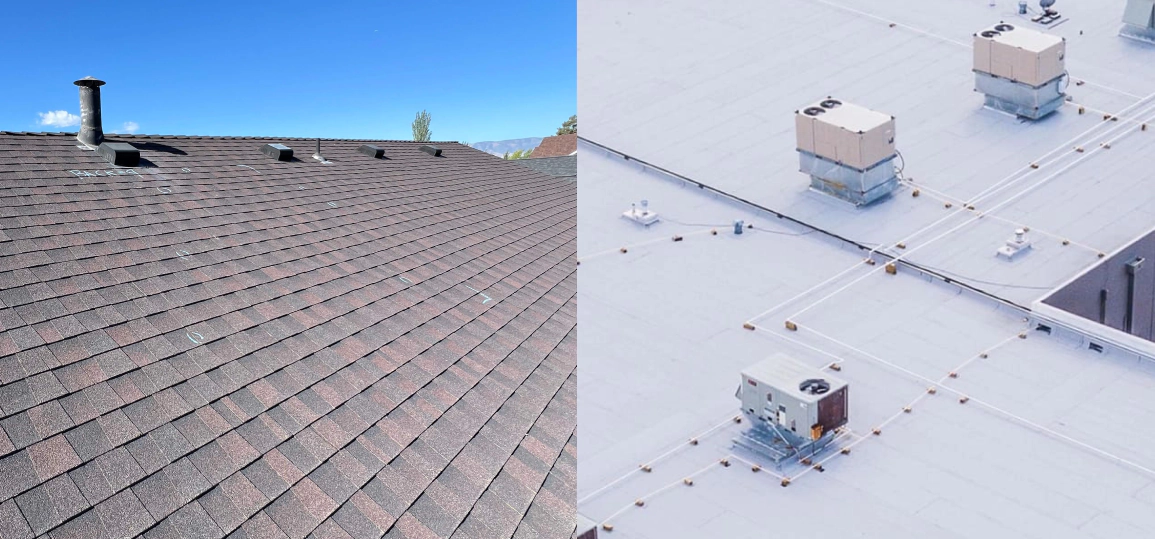
- Roofing Material: Asphalt shingles are common but degrade faster and should be inspected twice a year or after major storms. Metal roofs are more durable; they should be inspected annually unless exposed to severe weather. Lastly, flat roofs are prone to water pooling, so inspect them quarterly to ensure proper drainage.
- Local Climate and Weather Patterns: Storm-prone areas require inspections immediately after major weather events. Heavy snow regions should have pre- and post-winter inspections to monitor ice dam formation and structural integrity. Hot, arid climates can cause roofing materials to crack, so prioritize an annual check.
By tailoring your roof inspection frequency to your home’s specific needs, you can catch problems early and extend the lifespan of your roof. If you’re unsure about your roof’s condition, consider scheduling a professional inspection to ensure your home stays protected year-round.
Signs That a Roof Inspection Is Overdue
Waiting too long to inspect your roof for damage can lead to costly repairs or even a full roof replacement. While regular roof inspections help catch minor issues early, some warning signs indicate that your system may already be in trouble. If you notice any of the following problems, it’s time to schedule an inspection as soon as possible.
Visible Roof Damage
One of the most obvious signs that your roof needs attention is physical damage that you can see from the ground. This includes:
- Missing or lifted shingles – High winds can dislodge shingles, leaving your roof vulnerable to leaks.
- Cracked, curling, or damaged shingles – Aging shingles lose their protective layer and can no longer keep out moisture.
- Damaged flashing or loose seals – Flashing around chimneys, vents, and skylights should be intact; gaps can lead to leaks.
Even small areas of damage can quickly worsen, so if you spot any of these issues, an inspection is long overdue.
Water Stains or Leaks Inside Your Home
Roof damage isn’t always visible from the outside—sometimes, the first signs appear indoors. Be on the lookout for:
- Water stains on ceilings or walls – These indicate moisture is seeping through your roof.
- Dripping water or mold growth in the attic – A clear sign of a roof leak, which can lead to further structural damage.
- Musty odors or damp insulation – Moisture buildup in your attic suggests your roof isn’t properly sealed.
Roof leaks that go unchecked can cause rot, mold, and even structural weakening, so don’t ignore these warning signs.
Excessive Granule Loss
If you have an asphalt shingle roof, check your gutters and downspouts for excess granules. These tiny, sand-like particles protect shingles from UV rays and weather damage. If you notice a large amount of granules washing away, your shingles may be nearing the end of their lifespan, making an inspection necessary.
Sagging or Uneven Rooflines
A roof that appears to sag or dip in certain areas is a major red flag. This could mean:
- Structural issues from prolonged water damage
- Rotting roof decking or weakened support beams
- Excess weight from trapped moisture or debris
If your roofline is uneven, don’t wait—schedule a professional inspection immediately to prevent further damage.
Higher Energy Bills
An overlooked sign of roof damage is an unexpected increase in heating or cooling costs. If your home is losing efficiency, it could mean:
- Poor roof insulation due to moisture damage
- Gaps or cracks in the roof allowing air leaks
- Deteriorated or missing shingles reducing insulation effectiveness
A well-maintained roof helps regulate indoor temperatures, so a spike in energy bills could indicate an issue that needs to be addressed.
If you discover damage while inspecting your roof, understanding your insurance coverage is crucial. Check out our guide to learn what you need to know to protect your home—and your wallet.

